
Chanel
N°5
Created in 1921 by Ernest Beaux, N°5 is arguably the most famous perfume in history: the aldehydic floral that started a school, where sparkling aldehydes elevate a bouquet of rose, jasmine and ylang on a powdery base of sandalwood and musk. A timeless abstraction, a true manifesto of modern perfumery.
Perfumer Ernest Beaux
Main accords
Pyramid & evolution
Unofficial sources Data drawn from unofficial sources, not from the house: this pyramid (like the year and gender shown) may contain discrepancies.
-
Opening First minutes
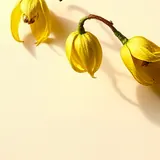
Aldehydes · Ylang-ylang · Neroli
-
Heart ~30 min to 2 h
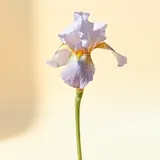
Rose · Jasmine · Iris
-
Base Several hours
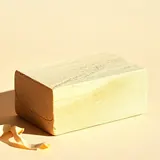
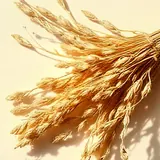
Vanilla · Sandalwood · Vetiver · White musk
Top notes




Base notes

What its composition says
- 10 materials declared, against 7.6 on average in the catalogue: the formula is fuller than usual.
- 3 materials on top, 3 in the heart, 4 in the base: the three stages are of comparable size.
- Aldehydes: barely 2.9% of the catalogue contains it, which makes it the rarest material in its palette.
- White musk: conversely, one of the most widely used materials in the catalogue — 50% of the analysed perfumes contain it.
Frequencies measured on the Olfact catalogue only.
Scent profile
Estimates derived from the composition — not measured.
Wear time
Good
7 to 9 h estimated on skin
Projection
Generous
fills a room
Ideal seasons
Time of day
Versatile, from mid-season to sunny days (15–25 °C / 59–77 °F).
Strengths
- Great versatility: goes from the office to dinner without a false note.
The success of N°5 by Chanel comes down to its versatility: an easy-going signature that finds its place from morning to night without ever clashing.
Our picks
-
Byredo Blanche Musky Floral Aldehydic Shares 5 accords, including musky.
-
Chanel Cuir de Russie Leather Floral Woody Shares 4 accords, including floral — from the same house.
-
Chanel Bois des Îles Woody Aldehydic Powdery Shares 3 accords, including woody — from the same house.
-
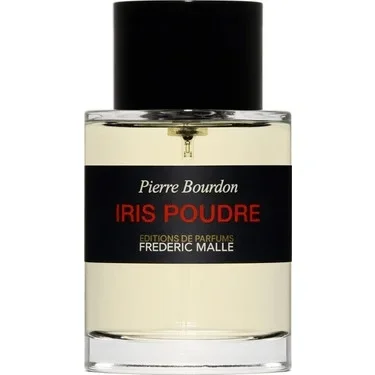 Frédéric Malle
Iris Poudre
Powdery
Floral
Aldehydic
from €245.00
Frédéric Malle
Iris Poudre
Powdery
Floral
Aldehydic
from €245.00
Shares 3 accords, including powdery.