
Eau de Toilette
Light, fresh and airy. Ideal for the day and fine weather.
Getting started
Before choosing, a few markers are enough: where perfumery comes from, how a perfume evolves on the skin, the major families, concentrations and ranges. Enough to put words to what you like.
Perfumery is one of humanity's oldest refinements — and one of the liveliest sectors of beauty: about $60 billion in worldwide sales in 2024, deodorants included (Statista).
Egyptians, Greeks and Romans were already burning incense and resins in their ceremonies, and anointing themselves with scented oils.
Over the centuries, perfumery became an art in its own right, carried in France by the town of Grasse, the cradle of modern perfumery.
Perfumers compose complex fragrances blending natural ingredients and synthetic molecules.
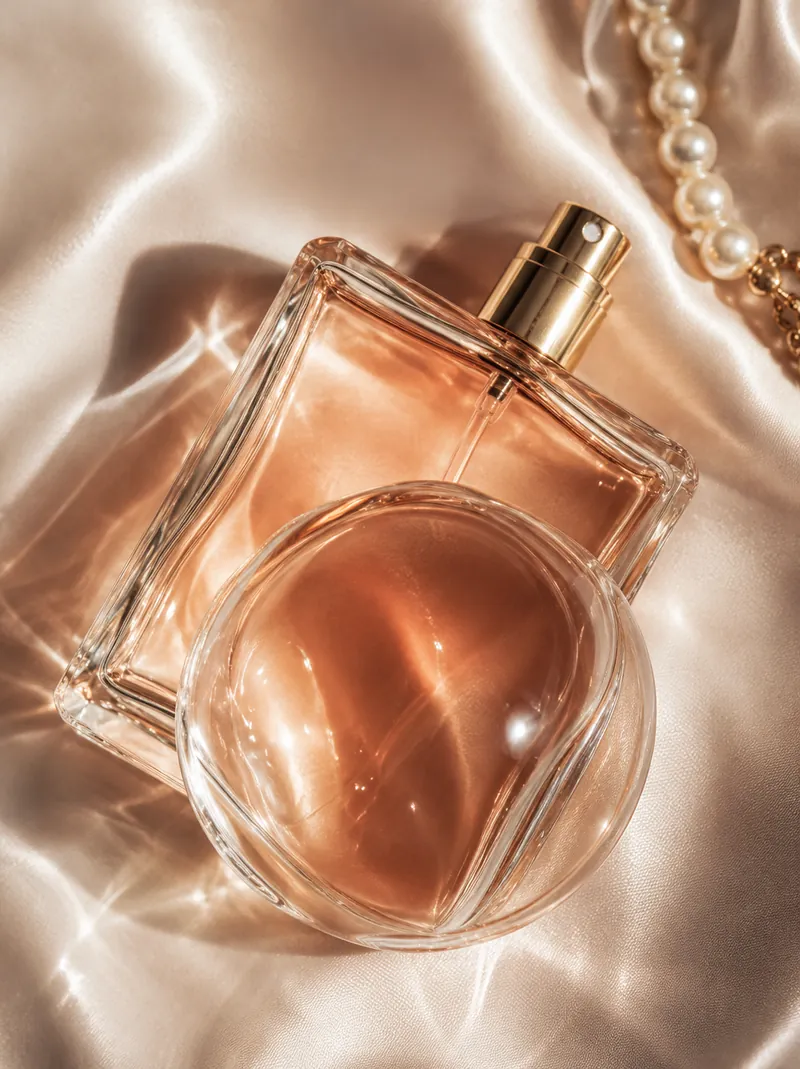
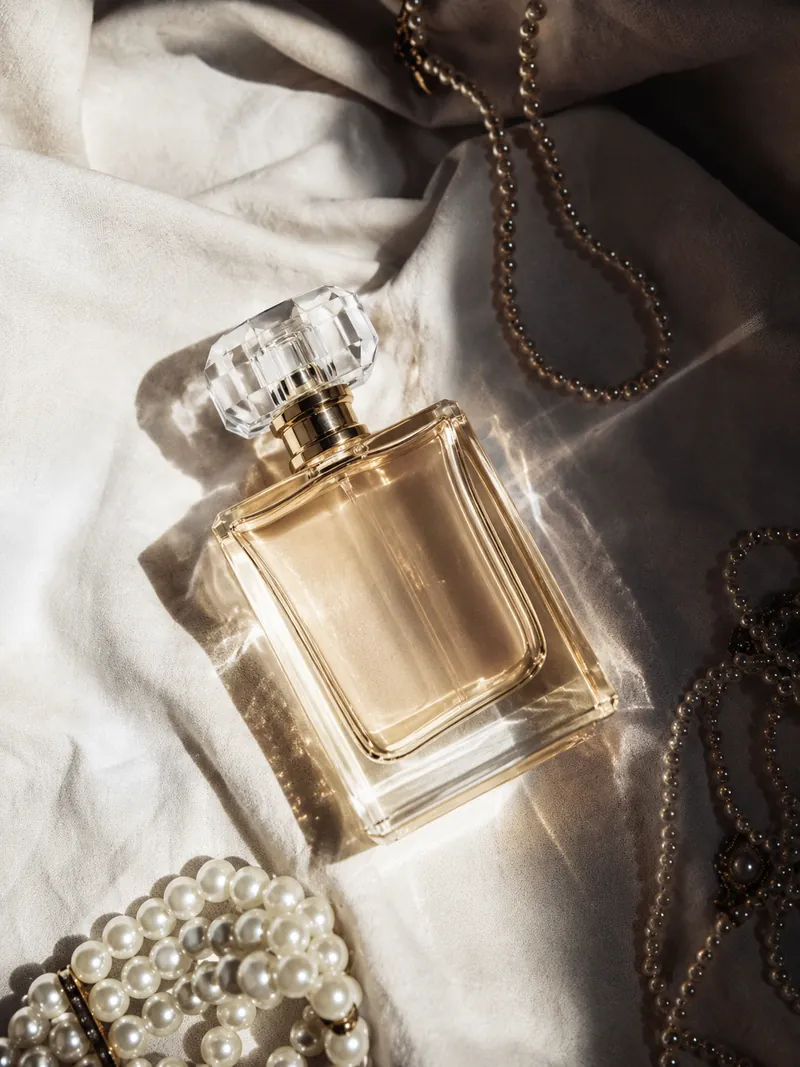
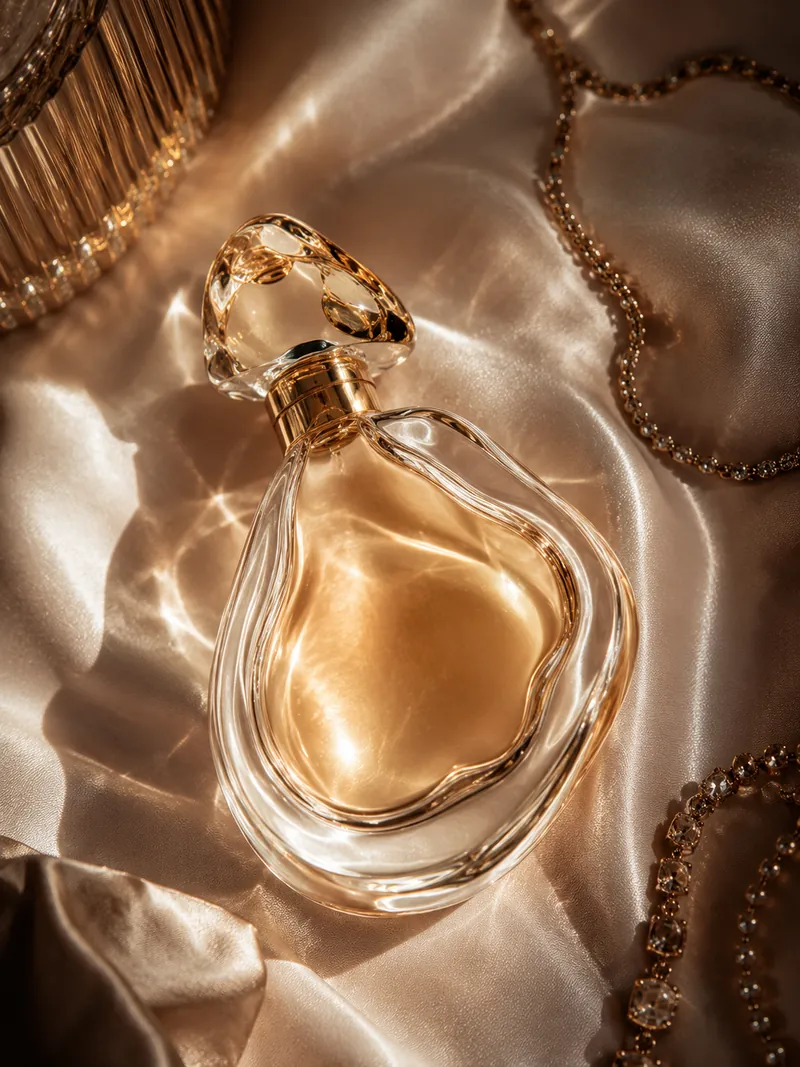
A perfume unfolds in three stages. Here is how it evolves, from the first spray to the evening trail.
The first impression: the scents perceived from the moment of spraying. Fresh, lively, volatile — they set the tone then fade quickly.
The character of the perfume. They reveal themselves once the top notes have evaporated and truly sign its identity.
Depth and longevity. The last to unveil themselves, they make up the trail and the memory of the perfume.
Real longevity also depends on:
Indicative orders of magnitude — never fixed values.
Olfact uses nine major families to find your way (classifications vary between authors). Learn to recognise them: it is the key to naming what you like.

Fresh, sparkling and luminous.
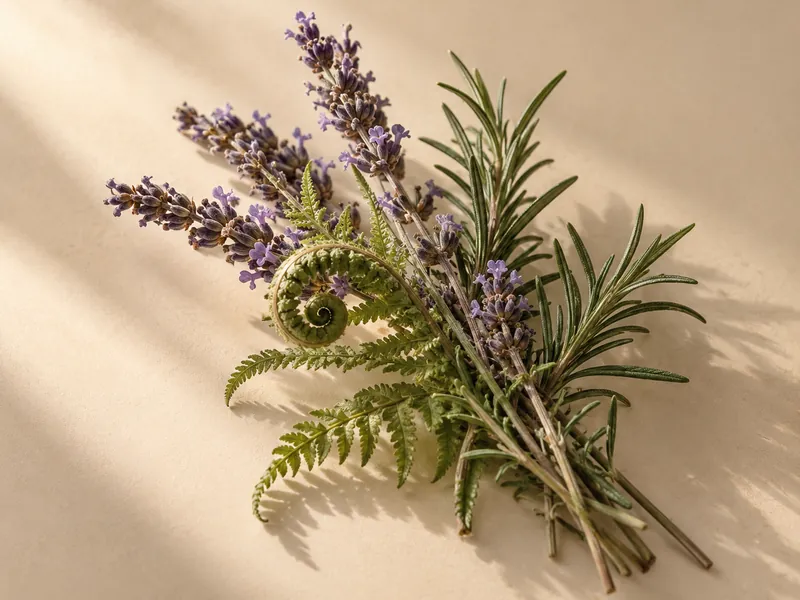
Natural, elegant and tonic.
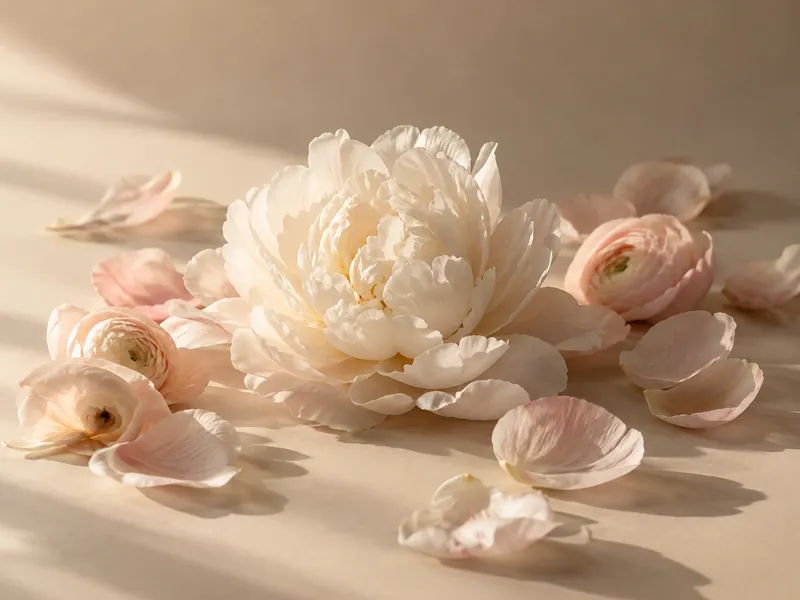
Soft, refined and romantic.
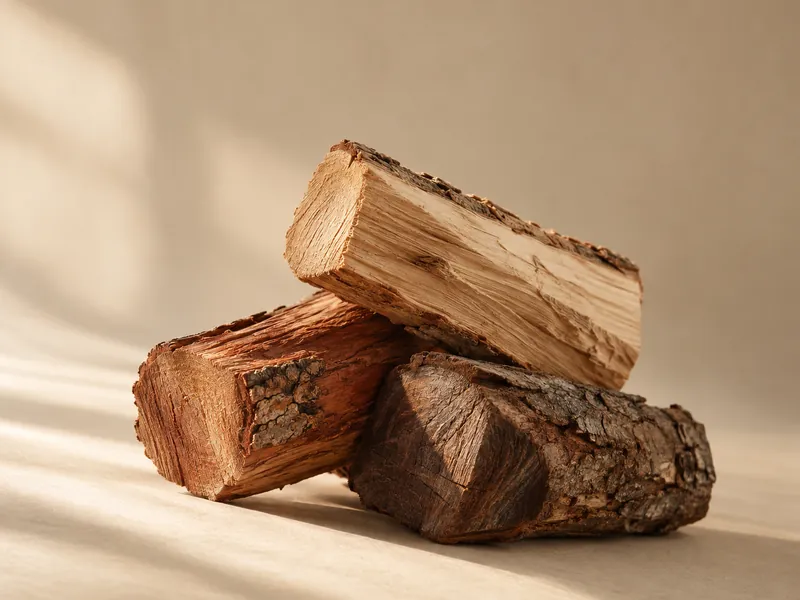
Deep and warm.
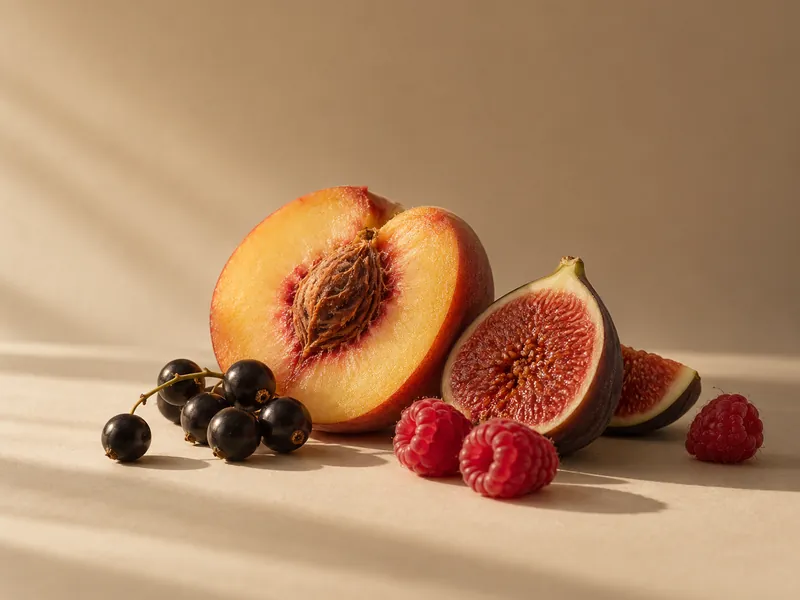
Gourmand and luminous.
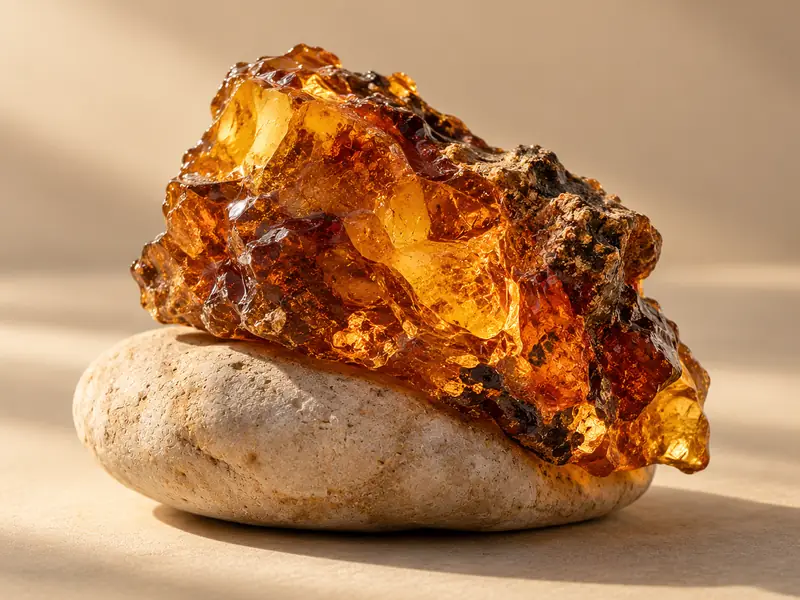
Sensual and bewitching.
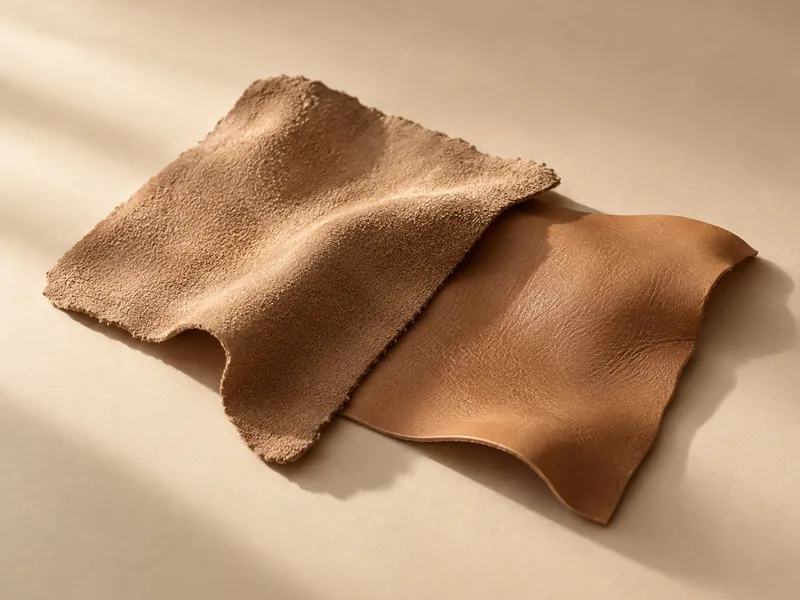
Intense and daring.
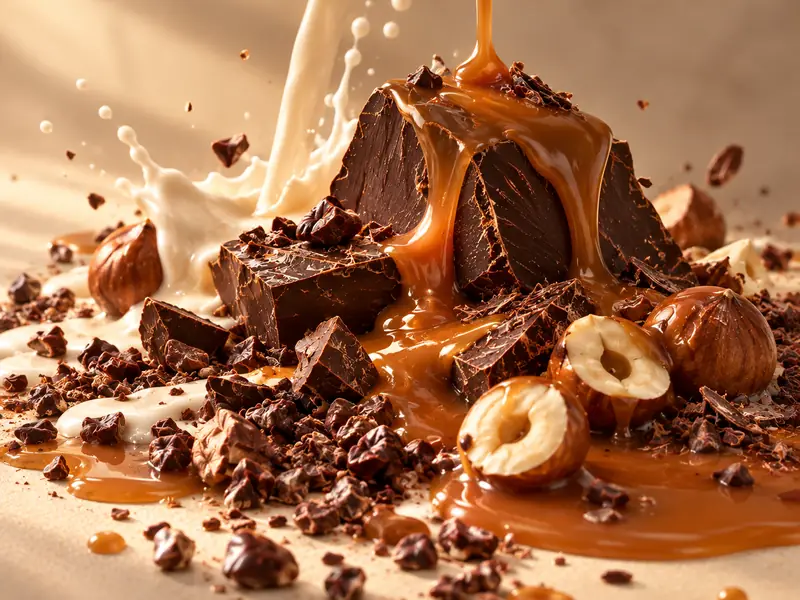
Sweet and comforting.
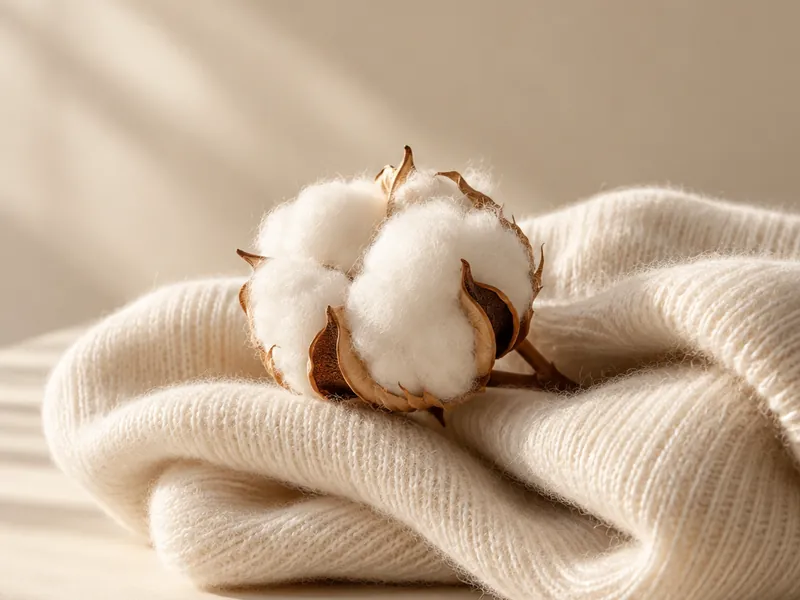
Clean and enveloping.
The same perfume exists in several intensities. In general, the higher the concentration of essence, the more powerful the trail and the longer the longevity. Percentages and durations are the usual benchmarks of the profession, with no official standard.
Light, fresh and airy. Ideal for the day and fine weather.
Balanced, elegant and versatile. The right choice for everyday.
Highly concentrated, intense and deep. The purest form of perfume.
From the mass market to the most exclusive, each range has its promise. Here is how to find your way.
It all comes down to the concentration of essence. Eau de toilette (5–15%) is light and fresh, with a longevity of about 3 to 5 h. Eau de parfum (15–20%) is more intense and versatile (about 6 to 10 h). These benchmarks are the profession's usage, not a standard. Extrait de parfum (20–40%) is the most concentrated and, in general, the most tenacious.
It depends mainly on its concentration and on your skin: allow about 3 to 5 h for an eau de toilette, 6 to 10 h for an eau de parfum and sometimes more than 24 h for an extrait. Skin type, hydration and temperature also influence longevity.
A perfume evolves in three stages. Top notes are perceived from the moment of spraying then fade fast; heart notes, revealed next, form its identity; base notes, the most tenacious, make up the trail and the memory of the perfume.
It is a broad category that groups perfumes sharing a dominant character: floral, woody, amber, citrus, gourmand… Spotting your favourite family is the simplest way to name what you like and to discover similar perfumes.
A niche perfume is a more exclusive, artistic creation, often produced in small quantities. A dupe is an affordable alternative inspired by a great signature — a good way to discover a known scent without breaking the bank.
Because it reacts with your skin: its chemistry, its temperature, its hydration and sometimes even your diet can change how it comes across. The same fragrance can therefore evolve differently from one person to another.
Now that families, notes and concentrations hold no more secrets, let Olfact turn your tastes into concrete recommendations.
Find my perfume12 to 19 questions · about 2 minutes · no account