
Open data
The OLFACT Observatory
What 1,980 perfumes put under the microscope reveal. Every measurement on this page is calculated from the compositions recorded in the catalogue. They are recalculated with each catalogue update.
The families that structure the catalogue
From the most represented to the rarest; the gold line measures the number of perfumes.
-
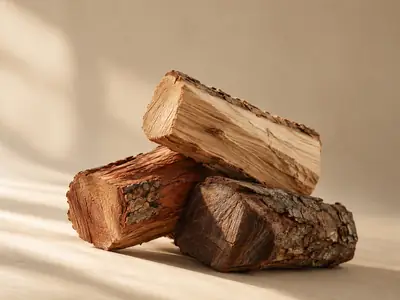 01
Woody
1,374 perfumes · 69%
01
Woody
1,374 perfumes · 69%
-
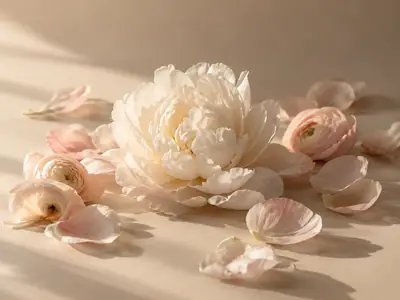 02
Floral
997 perfumes · 50%
02
Floral
997 perfumes · 50%
-
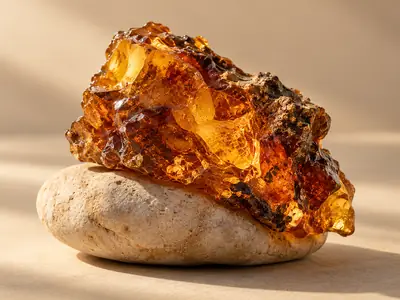 03
Amber
785 perfumes · 40%
03
Amber
785 perfumes · 40%
-
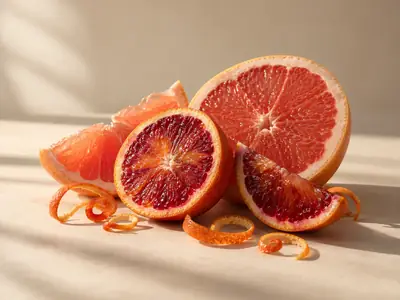 04
Citrus
702 perfumes · 35%
04
Citrus
702 perfumes · 35%
-
 05
Musky
691 perfumes · 35%
05
Musky
691 perfumes · 35%
-
 06
Gourmand
669 perfumes · 34%
06
Gourmand
669 perfumes · 34%
-
 07
Warm spicy
539 perfumes · 27%
07
Warm spicy
539 perfumes · 27%
-
 08
Fruity
387 perfumes · 20%
08
Fruity
387 perfumes · 20%
-
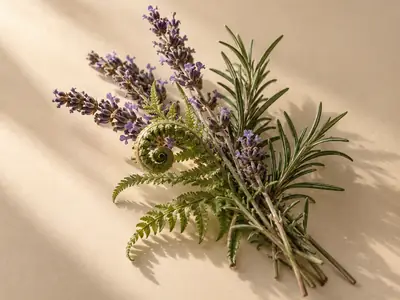 09
Aromatic
325 perfumes · 16%
09
Aromatic
325 perfumes · 16%
-
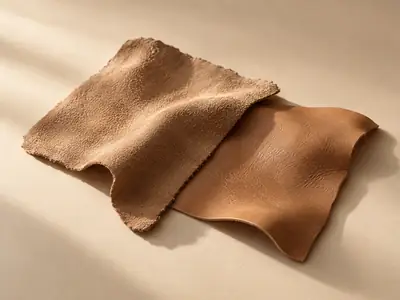 10
Leather
187 perfumes · 9%
10
Leather
187 perfumes · 9%
-
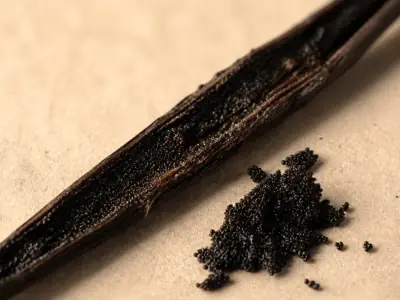 11
Vanilla
128 perfumes · 6%
11
Vanilla
128 perfumes · 6%
-
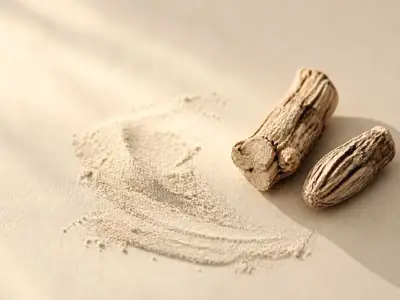 12
Powdery
77 perfumes · 4%
12
Powdery
77 perfumes · 4%
The catalogue in four figures
- 5,388 perfumes listed
- 446 distinct materials
- 327 houses
- 7.6 notes per perfume on average
The 20 most used materials
White musk is present in 51% of perfumes with a recorded composition — nearly one in two. This ubiquity is probably no accident: musks serve as a binder, extend the sillage and soften the whole of a composition, often without our consciously identifying them.
-
01
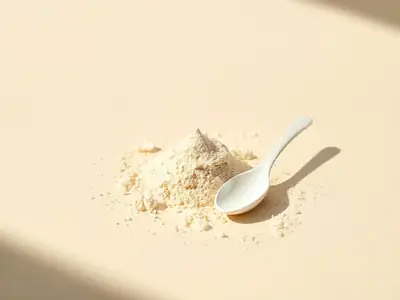 White musk
1,018 · 19%
White musk
1,018 · 19%
-
02
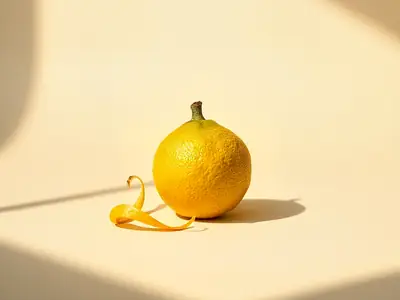 Bergamot
851 · 16%
Bergamot
851 · 16%
-
03
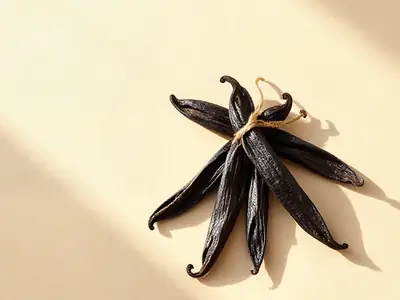 Vanilla
698 · 13%
Vanilla
698 · 13%
-
04
 Amber
640 · 12%
Amber
640 · 12%
-
05
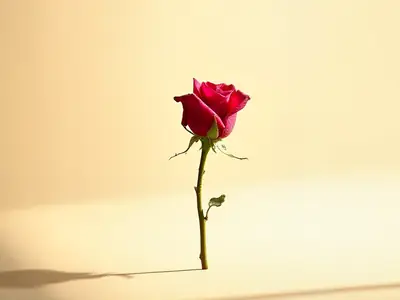 Rose
634 · 12%
Rose
634 · 12%
-
06
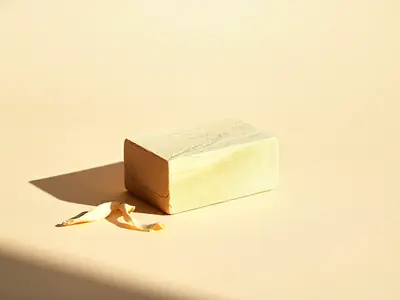 Sandalwood
582 · 11%
Sandalwood
582 · 11%
-
07
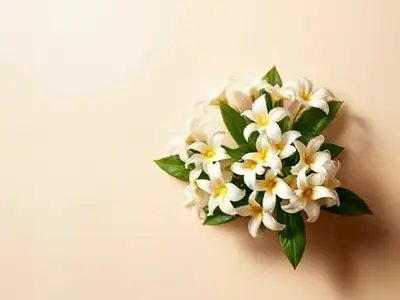 Jasmine
525 · 10%
Jasmine
525 · 10%
-
08
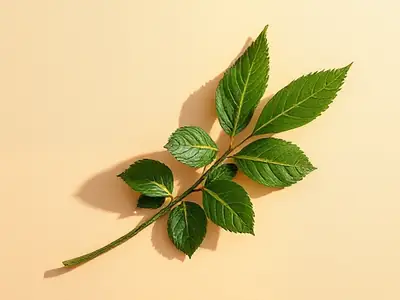 Patchouli
511 · 9%
Patchouli
511 · 9%
-
09
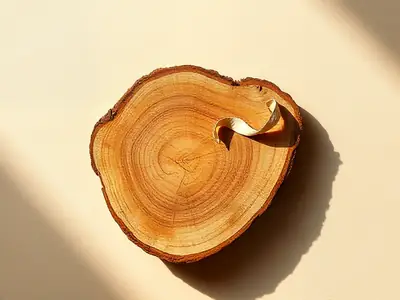 Cedar
455 · 8%
Cedar
455 · 8%
-
10
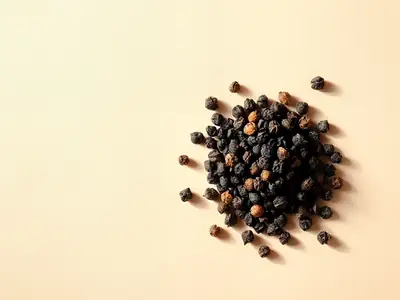 Pepper
326 · 6%
Pepper
326 · 6%
-
11
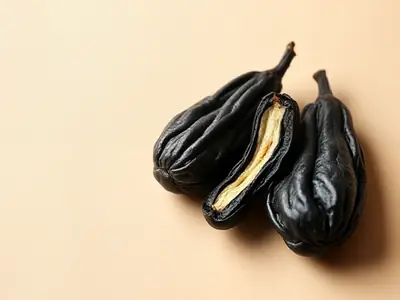 Tonka bean
319 · 6%
Tonka bean
319 · 6%
-
12
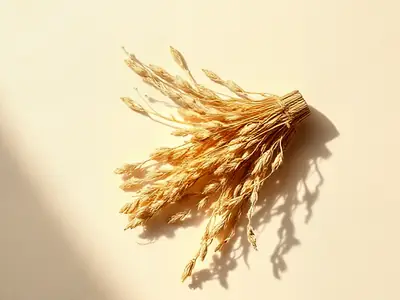 Vetiver
309 · 6%
Vetiver
309 · 6%
-
13
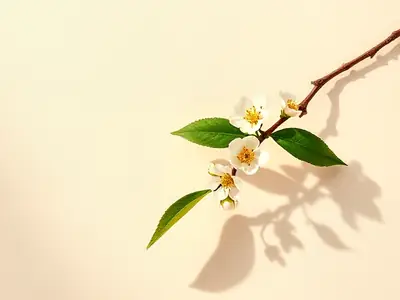 Orange blossom
298 · 6%
Orange blossom
298 · 6%
-
14
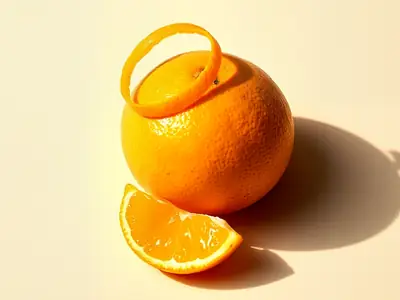 Mandarin
264 · 5%
Mandarin
264 · 5%
-
15
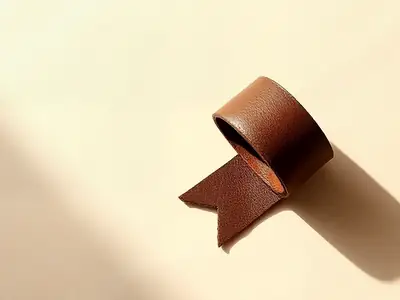 Leather
248 · 5%
Leather
248 · 5%
-
16
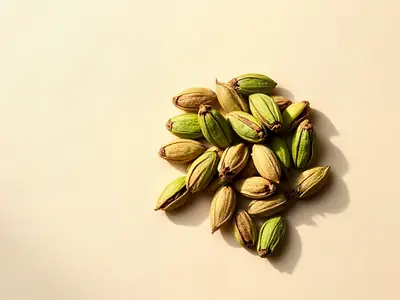 Cardamom
245 · 5%
Cardamom
245 · 5%
-
17
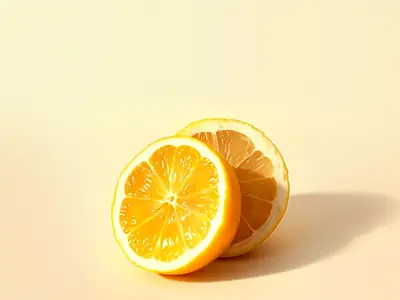 Lemon
240 · 4%
Lemon
240 · 4%
-
18
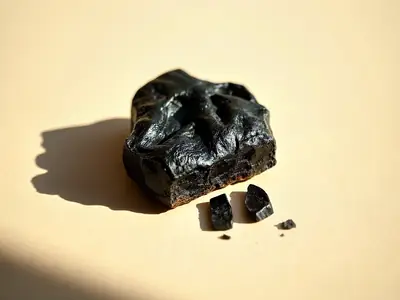 Oud
239 · 4%
Oud
239 · 4%
-
19
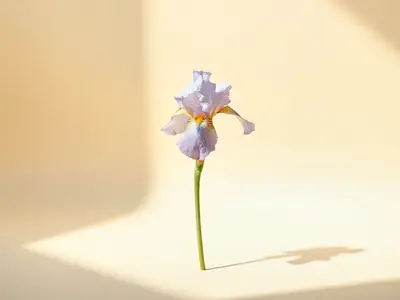 Iris
227 · 4%
Iris
227 · 4%
-
20
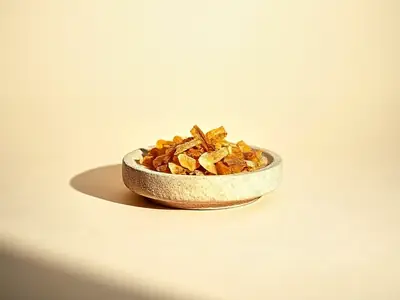 Incense
218 · 4%
Incense
218 · 4%
Reading: number of catalogue perfumes containing the material, and the share this represents out of the 1,980 perfumes with a recorded composition.
How tastes have changed
In our catalogue, the gourmand family goes from 27% of releases in the 1990s to 43% of those in the 2020s. Woody, for its part, remains the foundation of perfumery, present in 69% of perfumes with a recorded composition. These trends are indicative: some of the compositions are taken from unofficial sources.
-
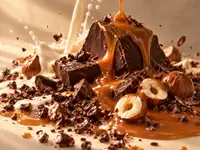 Gourmand + 16 pts
- 1990
- 27%
- 2000
- 25%
- 2010
- 31%
- 2020
- 43%
-
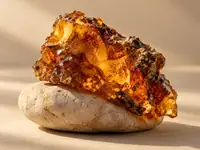 Amber + 15 pts
- 1990
- 27%
- 2000
- 32%
- 2010
- 39%
- 2020
- 42%
-
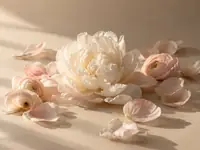 Floral 0 pt
- 1990
- 41%
- 2000
- 48%
- 2010
- 50%
- 2020
- 41%
-
 Citrus − 1 pt
- 1990
- 37%
- 2000
- 41%
- 2010
- 33%
- 2020
- 36%
-
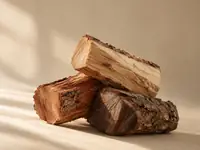 Woody − 3 pts
- 1990
- 69%
- 2000
- 72%
- 2010
- 66%
- 2020
- 66%
Reading: share of each decade's perfumes attached to the family. A perfume belonging to several families is counted in each, so the totals exceed 100%. Measured on the 1,213 perfumes dated 1990 or later (61% of perfumes with a recorded composition) — houses do not always publish the release year.
The anatomy of a pyramid
A catalogue perfume declares 7.6 notes on average. They are not distributed equally: the base, which has to last for hours, uses more materials than the top, which lasts only a few minutes.
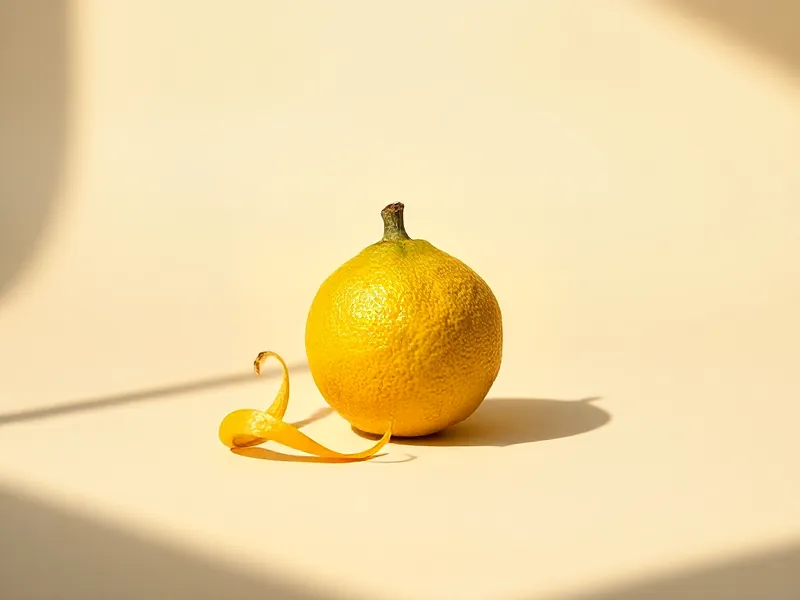
- Top 31% 4,657 notes Most used: Bergamot
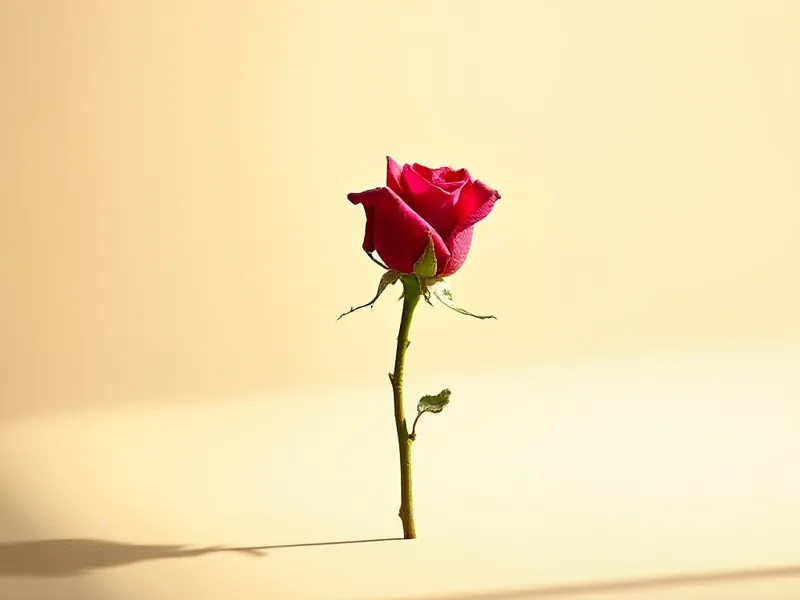
- Heart 32% 4,850 notes Most used: Rose
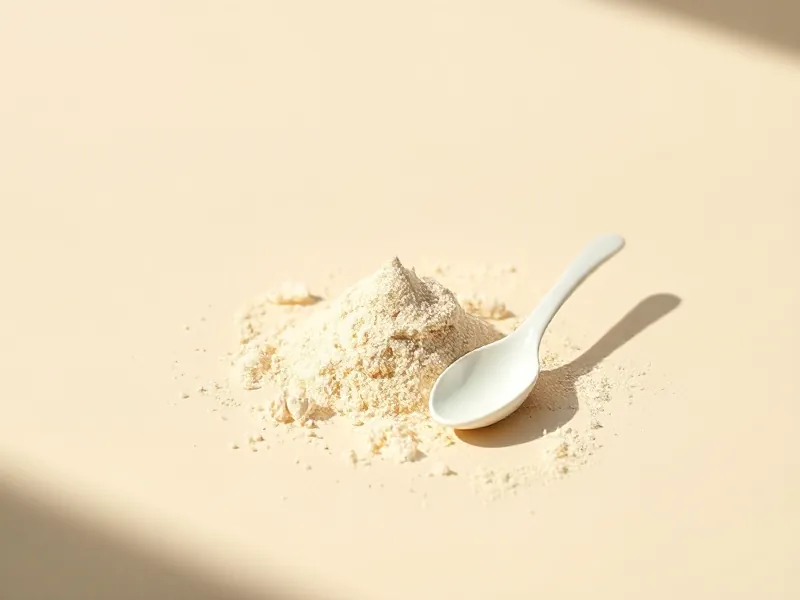
- Base 37% 5,633 notes Most used: White musk
The most represented houses
- 01 Xerjoff 143
- 02 Swiss Arabian 88
- 03 Giorgio Armani 70
- 04 Paco Rabanne 67
- 05 Dolce & Gabbana 66
- 06 Tiziana Terenzi 65
- 07 Yves Saint Laurent 64
- 08 Dior 60
- 09 Roja Parfums 53
- 10 Hugo Boss 52
Method, and what these figures do not say
-
Scope. These measurements describe the 1,980 perfumes with a recorded composition (out of 5,388 pages listed by OLFACT), not world production. They therefore also reflect our cataloguing choices.
-
Acknowledged bias. Our catalogue over-represents niche perfumery, whose compositions are published more often than those of the big houses. Family shares should be read with this reservation.
-
Partial dating. The evolution by decade covers only the 1,213 perfumes whose year is known. Before 1990, the numbers are too small to be significant: the series therefore starts in 1990.
-
Families are not exclusive. A perfume generally belongs to several families; percentages add up beyond 100% and are not a breakdown.
-
Sources. Compositions published by the houses and their official shops, entered material by material. Some pages are taken from unofficial sources (not from the house); this is flagged on each page concerned.
This data may be freely reused with credit to the source: OLFACT Observatory — olfact.me/en/observatory.