
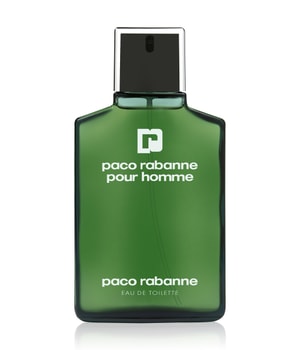
from €54.95
Paco Rabanne Pour Homme vs Kun Mukhtalifan
Price coming soon
The scent fingerprint
Woody: Paco Rabanne Pour Homme 80 out of 100, Kun Mukhtalifan 80 out of 100. Amber: Paco Rabanne Pour Homme 53 out of 100, Kun Mukhtalifan 80 out of 100. Musky: Paco Rabanne Pour Homme 53 out of 100, Kun Mukhtalifan 80 out of 100. Citrus: Paco Rabanne Pour Homme 53 out of 100, Kun Mukhtalifan 40 out of 100
What brings them together, what sets them apart
How they evolve on the skin
Notes shared by both perfumes.
What are they for?
Paco Rabanne Pour Homme
Kun Mukhtalifan
Seasons
Spring
Suitable
Suitable
Summer
Suitable
Suitable
Autumn
Very suitable
Very suitable
Winter
Suitable
Suitable
Moments
Office
Very suitable
Very suitable
Everyday
Very suitable
Very suitable
Evenings & dates
Suitable
Suitable
Night
Suitable
Suitable
How is it calculated?
These markers are an editorial estimate calculated automatically from the perfume's real accords and their intensity, following the classic reading of scent families (hesperidics and aromatics shine in summer and at the office, ambers and gourmands in winter and in the evening…). They do not come from user votes and do not replace a test on skin.
Why choose one… or the other?
Why choose Paco Rabanne Pour Homme
- Its pyramid opens on oakmoss, carnation, rosemary, nowhere to be found opposite.
- Launched in 1973, it has 53 years of life behind it.
- Its formula is out of the ordinary — carnation, rosemary are among the least common notes in our database.
- Less concentrated (Eau de Toilette), it should last less long.
Why choose Kun Mukhtalifan
- Eau de Parfum against eau de toilette: more material, and a longer expected longevity.
- rose, apple, patchouli: all materials absent from Paco Rabanne Pour Homme.
- More recent creation (2018, against 1973).
- No offer listed for the moment.
The verdict
-
Most concentrated
Kun Mukhtalifan — an eau de parfum formula against an eau de toilette
-
Most original
Paco Rabanne Pour Homme — its notes are rarer in our catalogue (carnation, rosemary)
Each trophy applies to a specific use, not in absolute terms.