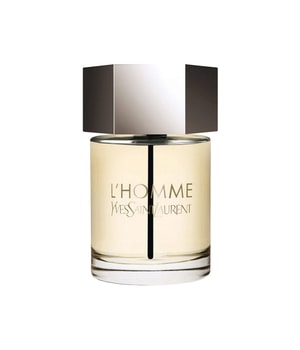
Nose: Jacques Polge
Price coming soon
Nose: Jacques Polge
Price coming soon
from €54.73
Woody: Sycomore 90 out of 100, L'Homme 75 out of 100. Fresh spicy: Sycomore absent, L'Homme 60 out of 100. Smoky: Sycomore 55 out of 100, L'Homme absent. Citrus: Sycomore absent, L'Homme 50 out of 100. Green: Sycomore 45 out of 100, L'Homme absent. Floral: Sycomore absent, L'Homme 45 out of 100. Tobacco: Sycomore 40 out of 100, L'Homme absent. Aromatic: Sycomore 35 out of 100, L'Homme 40 out of 100
Notes shared by both perfumes.
These markers are an editorial estimate calculated automatically from the perfume's real accords and their intensity, following the classic reading of scent families (hesperidics and aromatics shine in summer and at the office, ambers and gourmands in winter and in the evening…). They do not come from user votes and do not replace a test on skin.
Most concentrated
Sycomore — an eau de parfum formula against an eau de toilette
Freshest
L'Homme — signature carried by fresh spicy and citrus
Most enveloping
Sycomore — signature carried by smoky and tobacco
Most versatile
Sycomore — 8 situations out of 8 suit it, against 6 for the other
Each trophy applies to a specific use, not in absolute terms.