
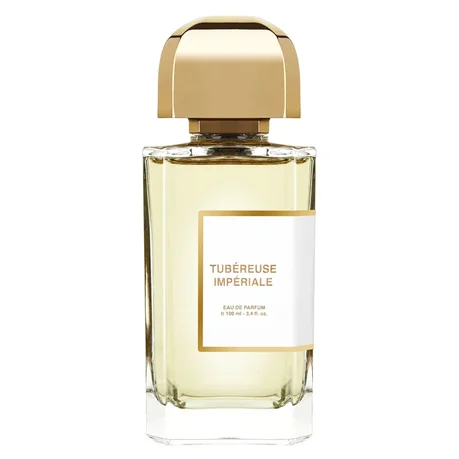
Price coming soon
Tubéreuse Impériale vs Camel
from €54.00
The scent fingerprint
Woody: Tubéreuse Impériale 80 out of 100, Camel 80 out of 100. Floral: Tubéreuse Impériale 60 out of 100, Camel 40 out of 100. Gourmand: Tubéreuse Impériale 40 out of 100, Camel 44 out of 100. Amber: Tubéreuse Impériale 40 out of 100, Camel 40 out of 100
What brings them together, what sets them apart
Exclusive to Tubéreuse Impériale
In common
Exclusive to Camel
How they evolve on the skin
Notes shared by both perfumes.
Heart notes
the central character (2 to 6 h)
Base notes
the trail that remains (6 h and more)
What are they for?
Tubéreuse Impériale
Camel
Seasons
Spring
Suitable
Suitable
Summer
Not its territory
Not its territory
Autumn
Very suitable
Very suitable
Winter
Suitable
Suitable
Moments
Office
Suitable
Suitable
Everyday
Suitable
Suitable
Evenings & dates
Very suitable
Very suitable
Night
Suitable
Suitable
How is it calculated?
These markers are an editorial estimate calculated automatically from the perfume's real accords and their intensity, following the classic reading of scent families (hesperidics and aromatics shine in summer and at the office, ambers and gourmands in winter and in the evening…). They do not come from user votes and do not replace a test on skin.
Why choose one… or the other?
Why choose Tubéreuse Impériale
- cashmere wood, pepper, tuberose: all materials absent from Camel.
- No tracked point of sale to date.
Why choose Camel
- Its pyramid opens on civet, amber, dried fruits, nowhere to be found opposite.
The verdict
These two perfumes are too close to separate any trophies: same family, same register. The choice comes down to the details above — and to your skin.
Also compared
- Tubéreuse Impériale vs Taif Aoud BDK Parfums vs Roja Parfums
- Camel vs Ambre 114 Zoologist vs Histoires de Parfums
- Tubéreuse Impériale vs Sacred Flame BDK Parfums vs Argos
- Camel vs Gold Spot Zoologist vs Sarah Baker Perfumes
- Tubéreuse Impériale vs Ambre 114 BDK Parfums vs Histoires de Parfums
- Camel vs Jungle Jezebel Zoologist vs Sarah Baker Perfumes